

"Bringing the circular economy to life - because action speaks louder than words"
Featured


Europe has a textile problem. But it also has a remarkable industrial opportunity. Following the ISWA World Congress held in London in November, Stuff4Life founder John Twitchen explores how EPR, circular business models and AUTOLOOP are stepping up to the plate.
Digital Product Passports are set to become an important part of the circular economy. For textiles, the principle is compelling: better information about what a garment is made from, where it came from, what has happened to it and what should happen next. But it’s the people who care that make the difference.
For major employers, uniform, workwear and PPE represent a significant recurring cost who tend to focus on what happens at the end of their life: can they be recycled? Stuff4Life believes the bigger economic opportunity starts much earlier.
Clothing reuse has been held up as a circular economy success story; however, beneath impressive headlines lies an uncomfortable truth. Time for change.
The Environmental Audit Committee has issued a stark warning about the growing risks posed by PFAS, and called for a decisive shift to a precautionary approach… but who pays for the past?
Within 12 months, carbon embedded in key materials will be priced at the UK border - the EU already does. What will it mean for UK recyclers?
Wales is forging a different path on deposit return arrangements for glass. Will the measures in Wales enable and indeed drive refill schemes?
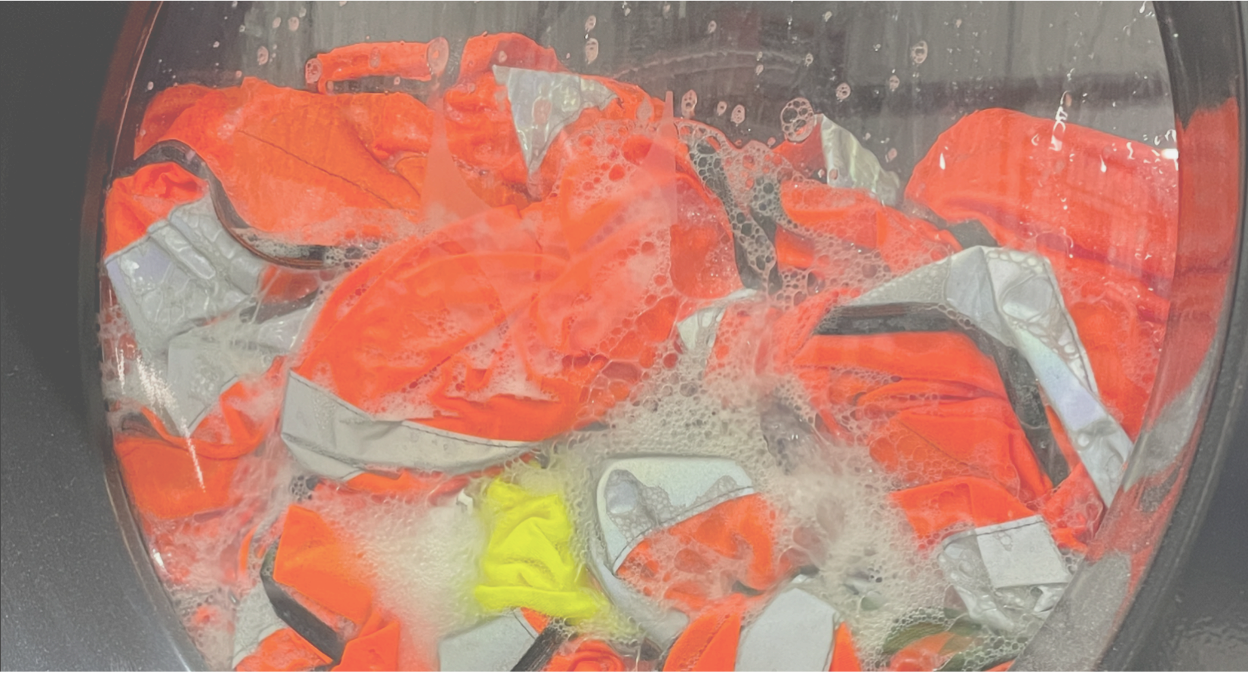
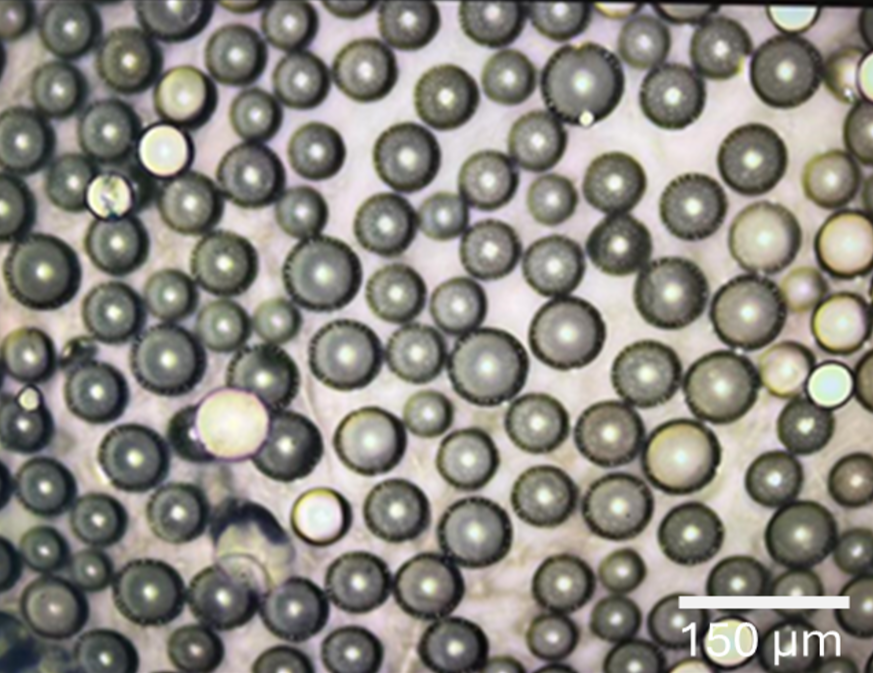
Stuff4Life has achieved a major technical breakthrough that could transform the recyclability of hi-vis workwear. New research proves that retro-reflective glass beads from hi-vis safety strips can be successfully recovered and reused in brand new garments.