
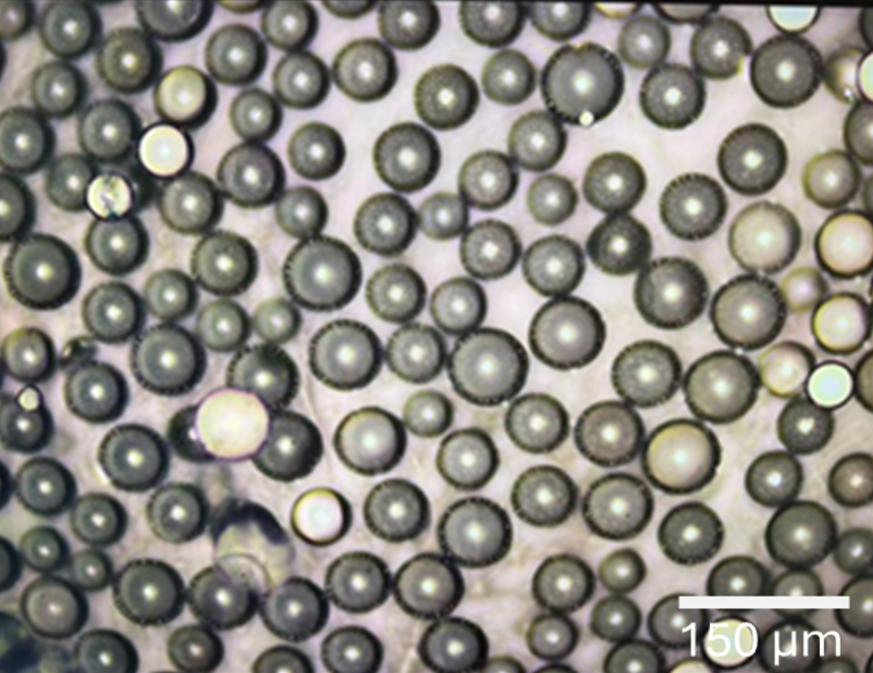
Recycling: your hi-vis retro-reflective beads under the microscope
Stuff4Life has achieved a major technical breakthrough that could transform the recyclability of high-visibility workwear. Read about it on the Alsico website and discover exclusive insight at Circular Online.
_______________________________
New research, carried out with Teesside University and supported by global garment manufacturer Alsico and reflective trims specialist Coats, has proven for the first time that retro-reflective glass beads from hi-vis safety strips can be successfully recovered and reused in brand new garments.
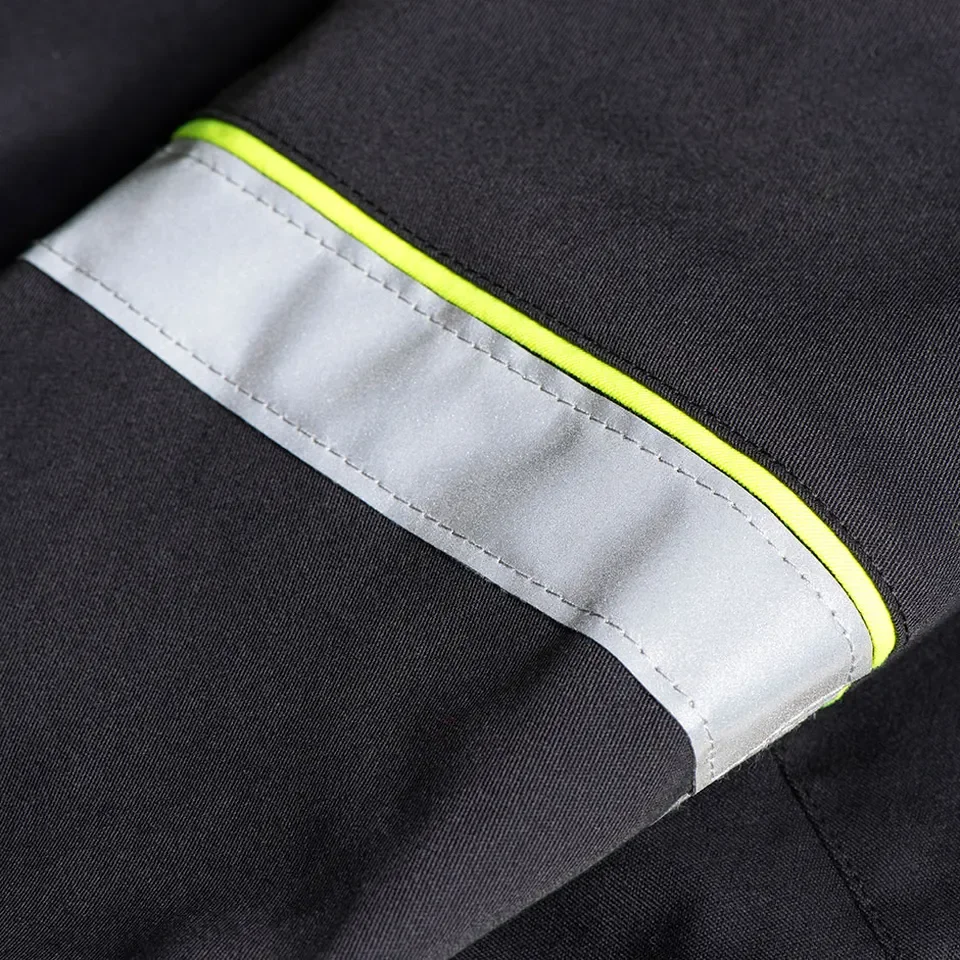
Alsico product using Coats reflective material
Retro-reflective beads are essential for the performance of hi-vis clothing, but until now they have also been one of the biggest barriers to recycling PPE. Because reflective strips are made from tightly bonded composite materials, most end-of-life garments containing them have been sent for disposal, often incineration.
Stuff4Life’s patent-pending polyester depolymerisation process, originally developed to recycle high-performance workwear into high-quality recycled terephthalic acid (r-PTA), has now been shown to separate and preserve the beads during processing. Laboratory analysis confirms that the recovered beads remain intact, spherical and optically effective, retaining up to 80% of their reflectivity compared with new material.
The research found that up to 100% of glass beads can be captured through filtration. When reflective strips are manufactured on PET backing fabric, that polyester can also be fully recycled through the same process, meaning more than 75% of the total reflective strip material can be recovered by weight — rising above 90% when ethylene glycol recovery is included alongside terephthalic acid from the Stuff4Life process..
Alsico and Coats have both welcomed the results, noting that the industry has long sought a viable solution for reflective components. The findings pave the way for future hi-vis strips containing 10–50% recycled beads, helping manufacturers create genuinely circular safety garments without compromising safety or compliance.
Stuff4Life is now progressing towards a UK commercial demonstrator plant as it works with supply-chain partners to build a scalable, circular recycling route for workwear, uniform and PPE.
To access a detailed report, please contact us.