
Border carbon charges will support recycling
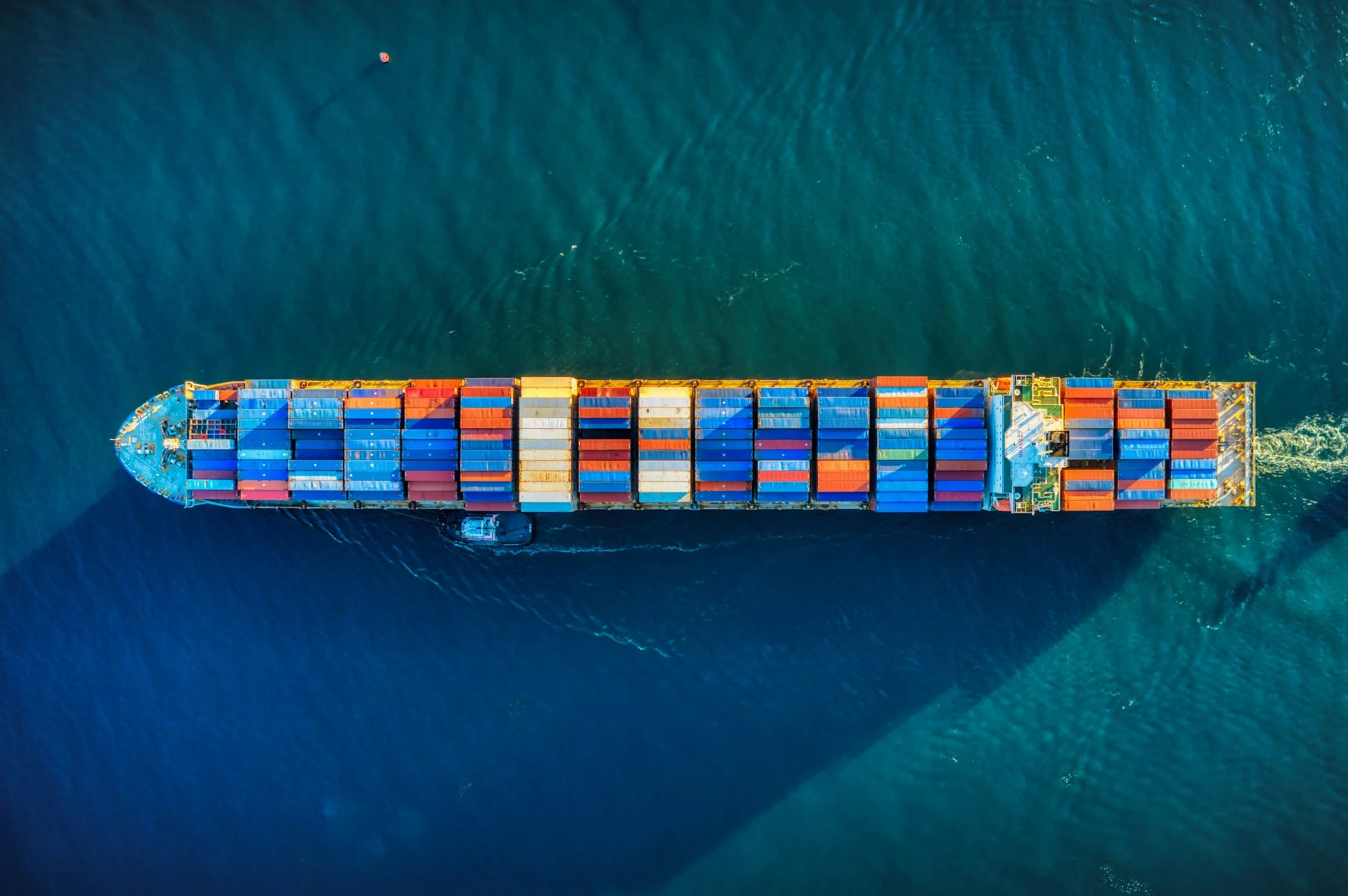
Carbon border adjustments - Photo by Venti Views on Unsplash
Xeroc and Stuff4Life founder Dr Miles Watkins explores the potential impacts and benefits of border carbon pricing in an article for Circular Online.
Within 12 months, carbon embedded in key materials will be priced at the UK border – in the EU, the same mechanism has just come into effect.
How will it work, why does it matter, and what does it mean for UK recyclers?
Snippets recreated below or you can view the full article here.
What is CBAM and why does it matter?
In essence, a Carbon Border Adjustment Mechanism (CBAM) is a carbon price applied at the border. It is designed to ensure that imported goods – particularly those from emissions-intensive sectors – bear a carbon cost comparable to products manufactured domestically under carbon pricing regimes.
The aim is to prevent ‘carbon leakage’, where production shifts to countries with weaker climate policies while domestic industries face rising regulatory costs.
“Emergency on planet Earth
is what we got”
Jamiroquai, 1993
The European Union’s CBAM enters its full operational phase in 2026, one year ahead of the UK. This earlier implementation has immediate implications for UK exporters, who must already prepare to provide emissions data to EU customers.
What about polymers?
While polymers and their monomers are not included in the first wave of CBAM, they are widely expected to feature in later expansions, particularly in the EU from the late 2020s onward.
Plastics share many characteristics with CBAM-covered materials: they are energy-intensive, fossil-based, globally traded and already regulated under the EU Emissions Trading System.
Supporting the circular economy
For recyclers and circular-economy innovators like Stuff4Life, this could be transformative. Recycled or chemically recovered monomers produced in the UK or EU would gain a major price and carbon advantage over fossil-based imports.
The UK CBAM represents more than a border tax; it is a structural shift in how carbon is accounted for in trade.
For more information or to sign up for our newsletter, contact us.