
2026: the year of the refill?
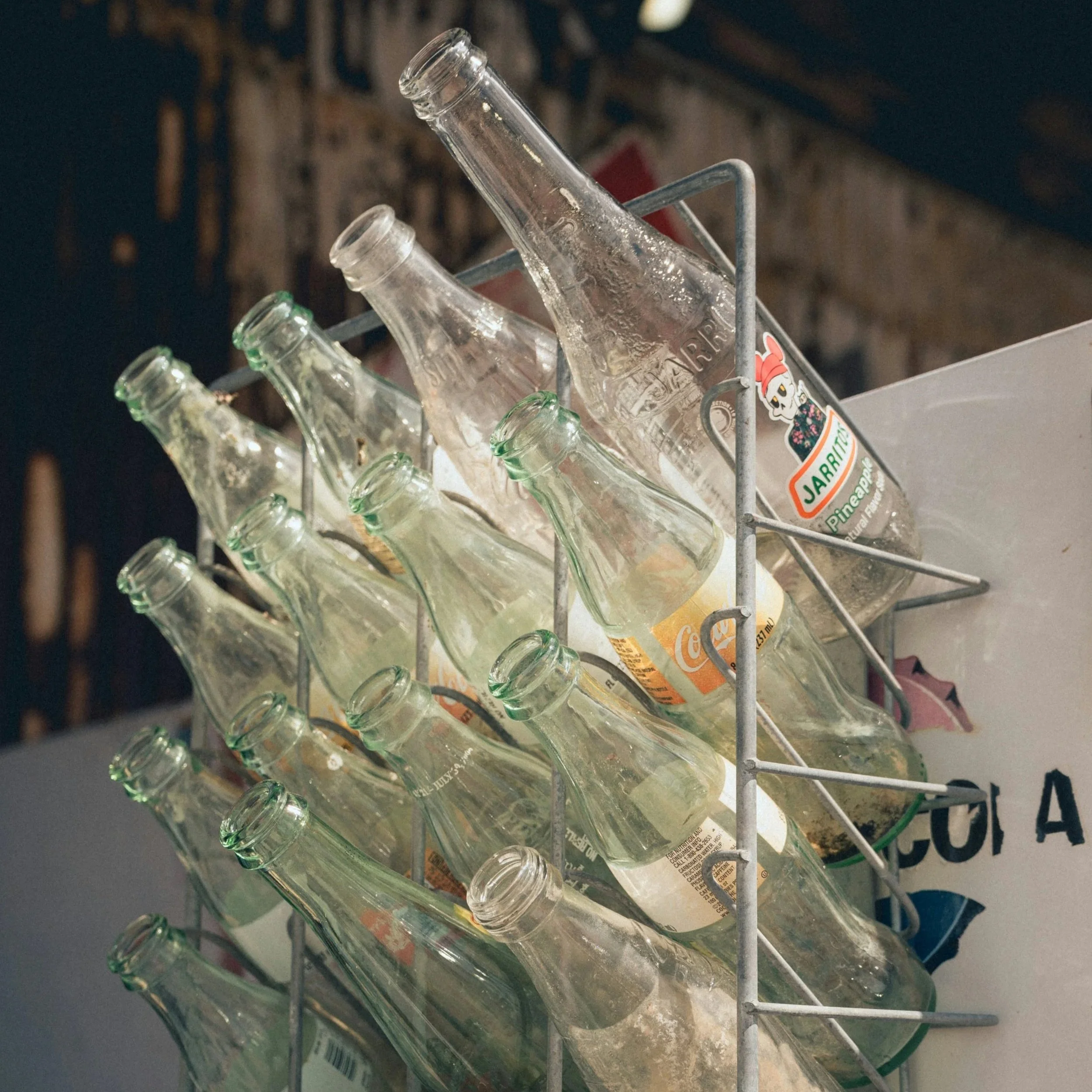
Refill here - photo by Karina G on Unsplash
In October, the British Retail Consortium published research that showed over 80% of retailers plan to pass on the cost of the new packaging Extended Producer Responsibility (EPR) to consumers.
This led many to question if packaging EPR charges are set to just become ‘another inflationary pressure’ or whether this is the time of maximum opportunity?
To put it another way, what are the positive and/or unintended consequences for innovation and better consumer value for money, which reduce the cost on society?
In his latest article for Circular Online, Stuff4Life founder John Twitchen argues that it is in fact the polar opposite of just ‘another inflationary pressure’ - shifting to using less stuff offers excellent consumer value for money, not to mention Scope 3 emissions reduction and Scope 4 emissions prevention opportunities.
“Scope 4 is the new cool!”
Because reuse and refill models carry different costs and operational structures (return logistics, cleaning/refilling, consumer behaviour changes, stickier customers), their growth can become a new area of investment, innovation and infrastructure – an indirect effect of EPR and DRS policy.
In practical terms, more reuse/refill schemes mean the UK will import less stuff, and instead create economic activity – jobs and servitisation opportunities – in the domestic market, paying UK tax.
In 2025, nine major UK grocery retailers signed a joint Statement of Intent to explore reuse, and multiple retailers have run refill pilots – a market response consistent with firms hedging regulatory risk and seeking to avoid paying higher EPR and DRS costs.
On the back of this announcement, his 2017 report, ‘Digital Technology and Consumer Trends’, and last year’s ‘EPR of everything, starting with batteries’, John shows that the role of simple, humble measures like the right to refill and right to repair could have substantial impacts not just on the amount (and nature) of residual waste, but – much more importantly – on consumer and taxpayer value for money.
You can read the full article here.
For more information about this issue or indeed on Stuff4Life, please contact us.